
Introduction
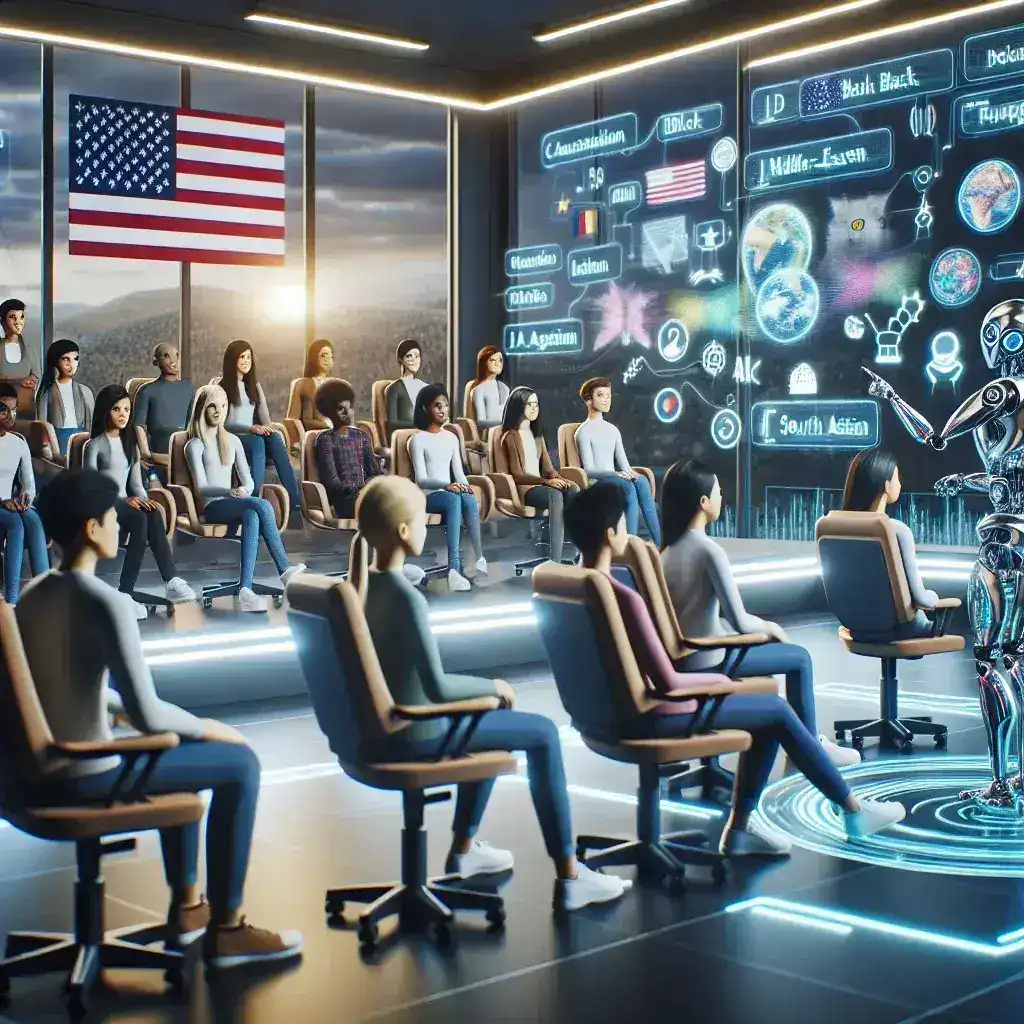
In the ever-evolving landscape of education, Meta Horizon has emerged as a trailblazer, launching innovative solutions that redefine how students learn languages. With the integration of AI technology, their new language immersion classrooms promise to transform traditional learning methods by providing immersive and interactive experiences for students.
The Concept of Language Immersion
Language immersion is an educational approach that has been gaining traction over the past few decades. By surrounding students with the language they are learning, immersion programs aim to foster a natural and intuitive grasp of a new language. This methodology contrasts sharply with conventional language education, which often relies heavily on rote memorization and grammar drills.
Historical Context
The roots of language immersion programs can be traced back to the 1960s in Canada, where French immersion was introduced to encourage bilingualism. Over the years, research has shown that immersion programs yield higher proficiency levels in students compared to traditional methods. Meta Horizon’s foray into this space aims to leverage the best practices from historical immersion models while introducing cutting-edge technology to enhance the learning experience.
How AI is Shaping Language Education
Artificial Intelligence has rapidly transformed various sectors, and education is no exception. By utilizing AI, Meta Horizon aims to create a dynamic and personalized learning environment. Here are a few ways AI is integrated into their language immersion classrooms:
- Real-Time Translation: Utilizing AI-driven translation tools, students can receive immediate assistance and understand complex vocabulary within context.
- Adaptive Learning: AI algorithms analyze individual student performances and adapt the curriculum accordingly, ensuring that each learner is challenged at their own level.
- Interactive Experiences: AI-powered simulations allow students to practice their language skills in real-world scenarios, such as ordering food at a restaurant or conversing with native speakers.
Benefits of AI-Powered Language Immersion Classrooms
The integration of AI into language immersion classrooms presents numerous advantages:
- Enhanced Engagement: Interactive tasks and gamified learning experiences keep students motivated and eager to participate.
- Increased Accessibility: Students from diverse backgrounds can access tailored educational resources, breaking down barriers to language learning.
- Improved Outcomes: Studies suggest that students in AI-assisted language programs show greater fluency and comprehension compared to those in traditional settings.
Meta Horizon’s Implementation Strategy
Launching AI-powered language immersion classrooms is not a simple task. Meta Horizon has outlined a comprehensive implementation strategy that involves:
1. Partnering with Educational Institutions
Collaboration with schools across the U.S. is essential. Meta Horizon aims to work closely with educators to ensure the technology aligns with existing curricula and meets the unique needs of each institution.
2. Professional Development for Educators
Teachers play a crucial role in the success of any educational program. Meta Horizon is committed to providing ongoing professional development to help educators effectively integrate AI tools into their teaching.
3. Pilot Programs
Before a full-scale rollout, Meta Horizon plans to launch pilot programs in select schools. These trials will allow them to gather feedback, refine the technology, and measure the impact on student learning.
4. Community Involvement
Engaging parents and the community is vital for the sustainability of the initiative. Meta Horizon plans to host informational sessions and workshops to involve families in their children’s language learning journey.
Future Predictions for Language Learning
As we look ahead, the future of language learning appears promising, especially with the integration of AI. Here are some predictions:
- Widespread Adoption of AI Tools: As schools become more familiar with AI technology, we can expect increasing adoption in various subjects beyond language learning.
- Global Collaboration: Language immersion classrooms may facilitate virtual exchange programs with schools in other countries, allowing students to practice their language skills in authentic contexts.
- Personalized Learning Paths: The future will likely see even more sophisticated AI systems that create individualized learning experiences based on student preferences and performance.
Challenges and Considerations
While the advantages of AI-powered language immersion classrooms are significant, there are challenges to consider:
- Equity in Access: Ensuring that all students have access to the necessary technology is crucial to avoid widening the educational gap.
- Data Privacy: With increased reliance on AI, safeguarding students’ data and privacy must be a top priority for educational institutions.
- Teacher Preparedness: As educational paradigms shift, ensuring teachers are adequately trained to utilize new tools is essential for successful implementation.
Conclusion
The launch of AI-powered language immersion classrooms by Meta Horizon represents a significant step forward in modern education. By harnessing the potential of AI, they are not only enhancing language acquisition but also preparing students for a globalized world. As this initiative unfolds, it will be vital to monitor its impact and continue to adapt in response to the evolving educational landscape. The future of language learning is bright, and Meta Horizon is at the forefront of this exciting journey.