
Introduction
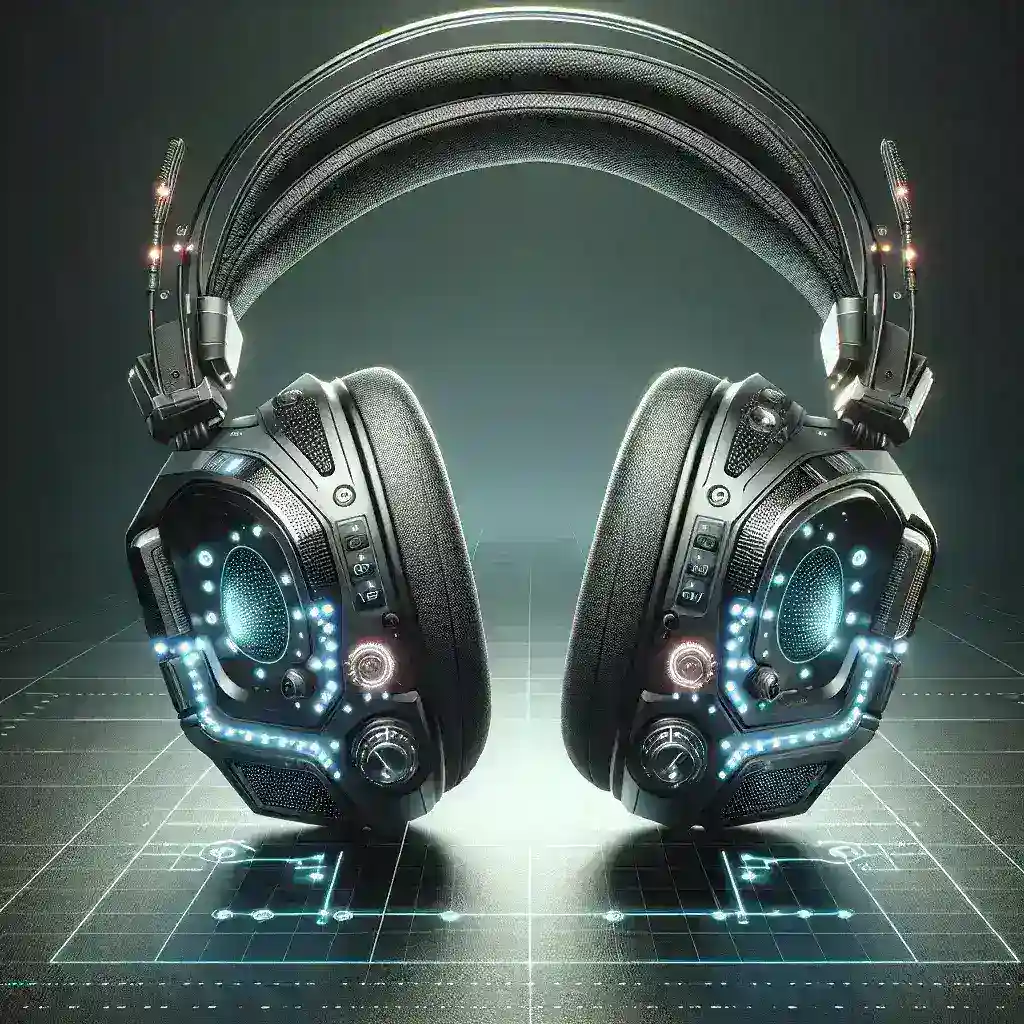
In a groundbreaking move that merges technology and mental well-being, Sony has introduced their latest line of gaming headsets equipped with biometric stress sensors. These innovative devices are designed to enhance the gaming experience by monitoring the player’s stress levels in real-time. This article delves into the features, benefits, and implications of this exciting new development in the gaming industry.
The Evolution of Gaming Headsets
Gaming headsets have come a long way since their inception. Initially designed for simple audio output and communication, they have evolved into sophisticated devices offering immersive sound experiences, noise cancellation, and even customizable audio settings. The introduction of biometric stress sensors represents a significant leap forward, aligning with the growing awareness of mental health in gaming.
The Role of Biometric Sensors
Biometric sensors have been utilized in various fields, from healthcare to fitness tracking. Their application in gaming is particularly fascinating. These sensors monitor physiological signals such as heart rate, skin temperature, and even galvanic skin response. By analyzing these metrics, the headset can gauge the player’s stress levels and adjust the gaming experience accordingly.
Key Features of Sony’s Gaming Headsets
- Real-Time Stress Monitoring: The headsets provide instant feedback on the player’s stress levels, enabling gamers to recognize when they may need to take a break.
- Adaptive Audio: The audio output can be adjusted based on the player’s emotional state. For instance, calming soundscapes can be introduced when stress levels are high.
- Game Integration: The headsets can communicate with games to modify difficulty or pacing based on the player’s stress response.
- Comfort and Ergonomics: Designed for long gaming sessions, the headsets offer unparalleled comfort with breathable materials and adjustable fit.
- Long Battery Life: With advancements in battery technology, gamers can enjoy extended playtime without frequent recharging.
The Impact on Gaming Experience
The integration of biometric stress sensors into gaming headsets is poised to revolutionize how players engage with games. Here’s how:
1. Enhanced Self-Awareness
Gamers often lose track of time and neglect their mental health while immersed in their virtual worlds. By providing real-time data on stress levels, these headsets encourage players to take necessary breaks, promoting healthier gaming habits.
2. Tailored Gaming Environments
Imagine a game that adapts to your emotional state. If a player is feeling overwhelmed, the game could automatically reduce difficulty or introduce soothing background music, creating a more personalized experience.
3. Community Engagement
As gaming becomes more integrated with social experiences, biometric data could foster community conversations about mental health. Gamers might share their experiences and tips on managing stress, creating a supportive environment.
Potential Challenges
While the advantages are significant, there are potential challenges to consider:
- Data Privacy: The collection and usage of biometric data raise concerns about privacy and data security.
- Over-Reliance: Players might become overly dependent on technology for stress management, neglecting traditional methods.
- Market Acceptance: The success of these headsets will depend on player acceptance and willingness to embrace this new technology.
Future Predictions
As technology continues to evolve, the future of gaming headsets looks promising. The integration of biometric sensors could pave the way for:
1. Broader Applications
Beyond stress monitoring, future headsets may incorporate features that track emotional responses to enhance storytelling and gameplay dynamics.
2. Collaborative Experiences
Multiplayer games might include components that adapt based on the collective emotional state of players, fostering deeper connections and shared experiences.
3. Mental Health Awareness
The gaming community may become a leading force in mental health awareness, using these technologies to promote healthier gaming practices.
Conclusion
Sony’s debut of gaming headsets with biometric stress sensors represents a significant evolution in the gaming landscape. By prioritizing player well-being and creating adaptive gaming environments, these headsets could transform the gaming experience for millions worldwide. As we look towards the future, one thing is clear: the intersection of technology and mental health will shape the next generation of gaming.