
Introduction
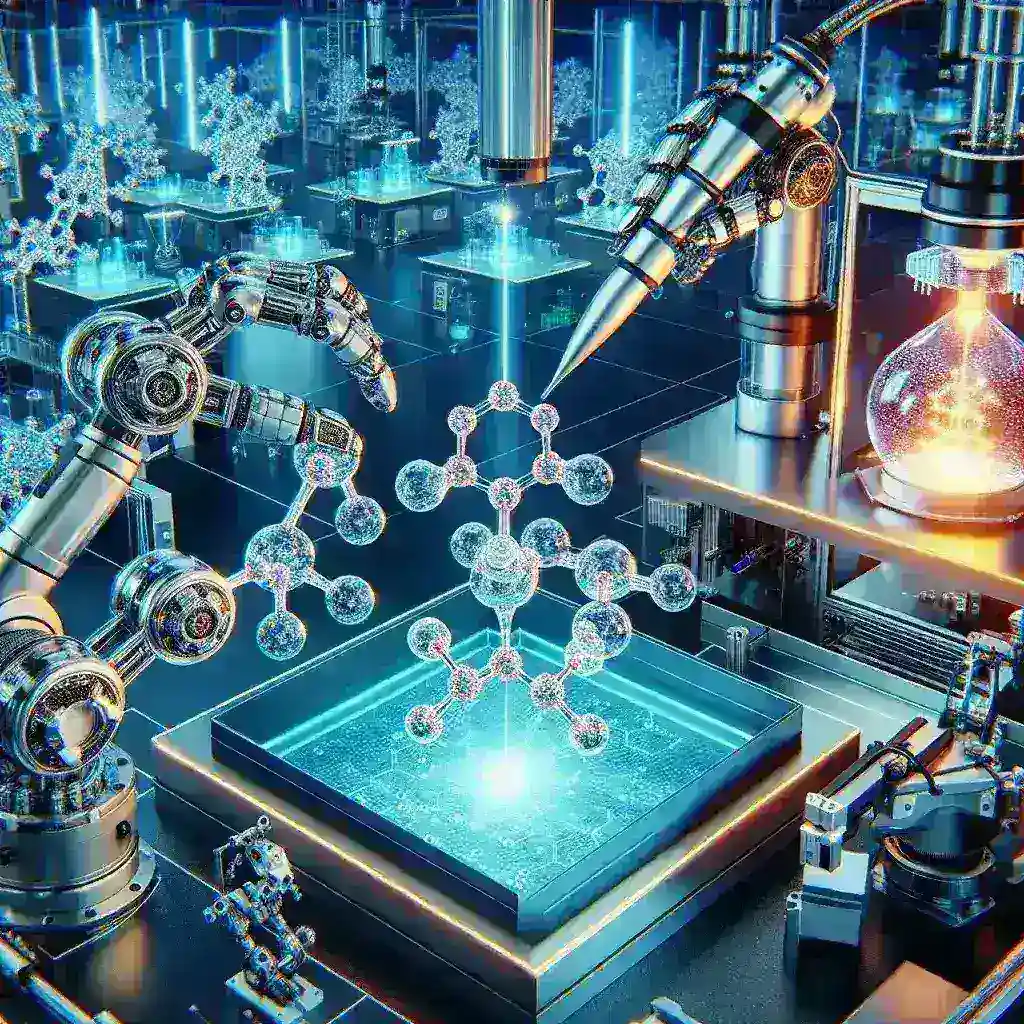
The advent of artificial intelligence (AI) has transformed numerous industries, and the field of materials science is no exception. One of the groundbreaking innovations stemming from this technological revolution is the rise of AI-driven lab robots. These robots are now playing a crucial role in designing the next generation of biodegradable polymers, which are essential for addressing the pressing issue of plastic pollution. In this article, we will delve into how these advanced technologies are being utilized to create sustainable materials, their implications for the environment, and what the future holds for biodegradable polymers.
The Need for Biodegradable Polymers
As plastic waste continues to accumulate in landfills and oceans worldwide, the demand for biodegradable alternatives has never been more critical. Traditional plastics can take hundreds of years to decompose, posing a significant threat to wildlife and ecosystems. Biodegradable polymers, on the other hand, are designed to break down more quickly and safely, minimizing their environmental impact.
Understanding Biodegradable Polymers
Biodegradable polymers are materials that can be decomposed by microorganisms into water, carbon dioxide, and biomass. They can be derived from natural sources, such as plants and starches, or synthesized through chemical processes. The key benefits of these materials include:
- Reduced Environmental Impact: They break down more readily than traditional plastics.
- Renewable Resources: Many biodegradable polymers are made from renewable resources, reducing reliance on fossil fuels.
- Versatility: They can be used in a variety of applications, from packaging to medical devices.
AI-Powered Innovations in Polymer Design
AI-driven lab robots are revolutionizing the development of biodegradable polymers by streamlining the research and manufacturing processes. These robots are equipped with machine learning algorithms that allow them to analyze vast amounts of data and identify patterns that would be difficult for humans to detect.
Data-Driven Insights
By harnessing data from previous experiments, AI systems can predict the properties and behaviors of new polymer formulations. This capability enables researchers to:
- Accelerate Discovery: AI can significantly speed up the identification of suitable polymer candidates, reducing the time required for manual testing.
- Optimize Formulations: AI can determine the best combinations of materials to achieve desired characteristics, such as strength, flexibility, and degradation rate.
- Reduce Costs: By optimizing the design process, companies can lower production costs and minimize waste.
Robotic Automation in Laboratories
In addition to AI technologies, robotic automation is reshaping research laboratories. AI-driven lab robots can perform repetitive tasks with precision and speed, enhancing efficiency and productivity. Some notable applications include:
- Automated Synthesis: Robots can autonomously mix and formulate polymer blends, ensuring consistent results.
- Real-Time Monitoring: Equipped with advanced sensors, these robots can monitor reactions and conditions in real-time, adjusting parameters as necessary.
- Data Collection: Lab robots can systematically collect data on polymer properties, providing researchers with comprehensive datasets for analysis.
Case Studies: AI Robots in Action
1. Project BioPoly
One notable initiative is Project BioPoly, which aims to develop a new line of biodegradable plastics using AI-driven automation. In this project, lab robots are used to rapidly prototype different polymer formulations. By analyzing the results, researchers can quickly identify promising candidates for further development.
2. EcoBot Initiative
The EcoBot Initiative focuses on utilizing AI robots to create biodegradable materials for the packaging industry. By leveraging machine learning algorithms, the robots analyze consumer preferences and environmental impact data to design sustainable packaging solutions.
The Future of Biodegradable Polymers
As AI-driven technologies continue to evolve, the potential for biodegradable polymers to revolutionize various industries is immense. Some future predictions include:
- Widespread Adoption: As awareness of plastic pollution grows, more industries are likely to adopt biodegradable alternatives.
- Innovative Applications: Future biodegradable polymers may find uses in unexpected areas, such as electronics or construction materials.
- Enhanced Performance: Ongoing research and AI optimization will lead to polymers with improved properties, expanding their applicability.
Challenges and Considerations
While the prospects for AI-driven biodegradable polymer development are promising, several challenges remain:
- Material Performance: The durability and strength of biodegradable polymers can sometimes fall short compared to traditional plastics.
- Cost Efficiency: The initial investment in AI and robotic technologies may be high, which can be a barrier for some companies.
- Regulatory Hurdles: The introduction of new materials often faces regulatory scrutiny, which can slow down their market entry.
Conclusion
AI-driven lab robots stand at the forefront of the effort to create the next generation of biodegradable polymers. By combining the power of artificial intelligence with robotic automation, researchers are making significant strides toward sustainable material solutions. As these technologies continue to develop, the potential for biodegradable polymers to combat plastic pollution and promote sustainability is vast and exciting. Embracing these innovations could lead to a cleaner, greener future for our planet.