
Introduction
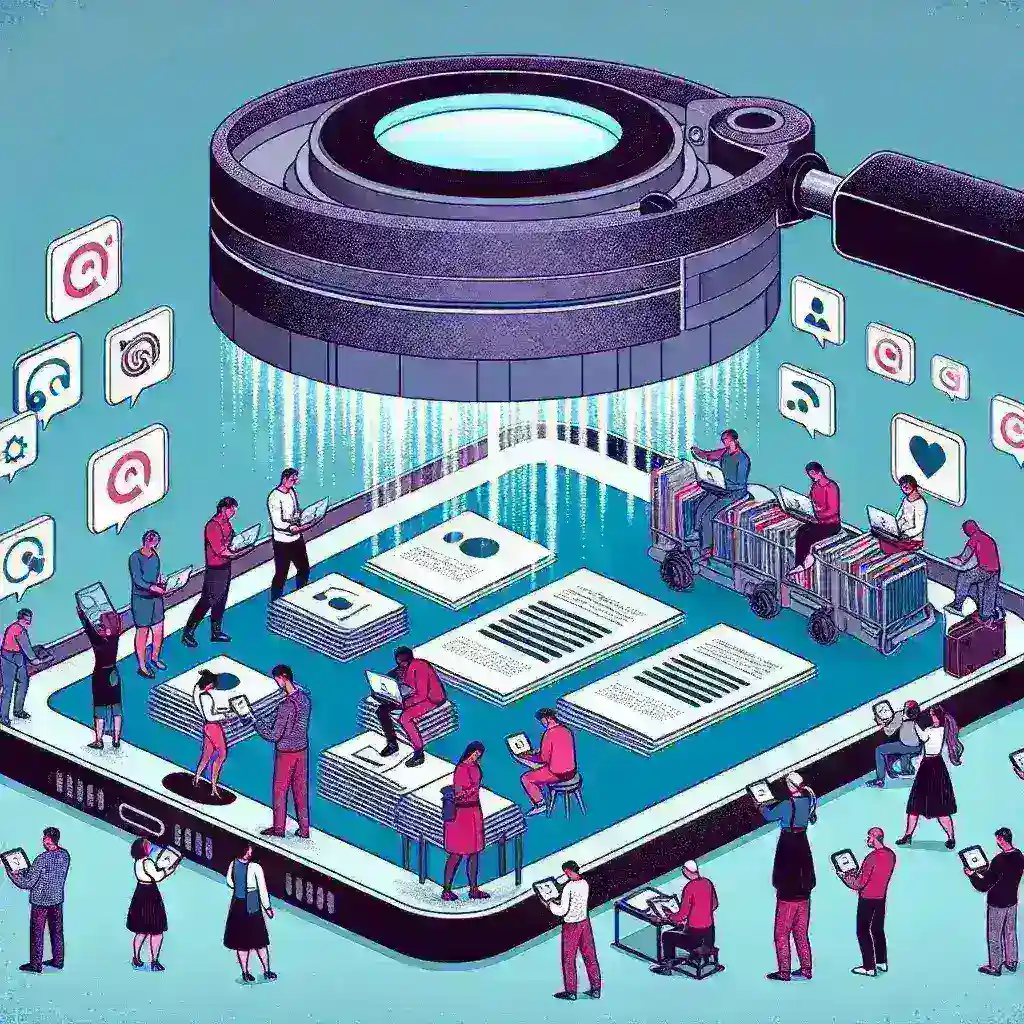
In the digital age, user-generated content (UGC) has transformed the landscape of online media. Platforms like social media, forums, and video-sharing sites thrive on content created by users. However, this has raised significant copyright concerns as content ownership and protection become increasingly complex. To address these issues, many user-generated content platforms are implementing comprehensive copyright scanning systems. This article explores the importance of copyright scanning, the technology behind it, and its impact on users and content creators.
The Rise of User-Generated Content
User-generated content has surged in popularity over the last decade. According to a report by Statista, over 50% of online users have engaged with UGC at some point. Platforms leveraging UGC benefit from increased engagement, traffic, and brand authenticity. However, this shift also presents challenges regarding copyright infringement.
Understanding Copyright Infringement
Copyright infringement occurs when someone uses a copyrighted work without permission from the owner. In a world where content is shared and reshared across various platforms, tracking copyright ownership can be daunting. User-generated content platforms, therefore, face the challenge of protecting the rights of creators while fostering an open environment for content sharing.
The Need for Copyright Scanning
To mitigate copyright issues, user-generated content platforms are adopting copyright scanning technologies. These systems allow platforms to:
- Identify copyrighted material: Automatically scan and identify copyrighted works within user submissions.
- Prevent unauthorized use: Block or flag content that violates copyright laws before it goes live.
- Educate users: Inform users about copyright laws and encourage them to create original content.
How Copyright Scanning Works
Copyright scanning technology employs sophisticated algorithms and machine learning models to analyze content. Here’s how it typically works:
1. Content Upload
When users upload content, the system triggers a scanning process. This can include images, videos, audio files, and written content.
2. Matching Algorithms
The scanning system uses matching algorithms to compare uploaded content against a vast database of copyrighted works. These databases are continuously updated to ensure accuracy.
3. Flagging and Reporting
When a match is found, the system flags the content for review. Depending on the platform’s policies, content may be automatically removed, or the user may be warned about the infringement.
4. User Education
Many platforms also include educational resources to inform users about copyright laws and the importance of using original content. This proactive approach aims to reduce the likelihood of future infringements.
Pros and Cons of Copyright Scanning
Pros
- Protection of Intellectual Property: By implementing copyright scanning, platforms can protect the rights of content creators, ensuring they receive the credit and compensation they deserve.
- Increased Trust: Users are more likely to engage with platforms that actively protect their rights, fostering a community based on respect and integrity.
- Reduced Legal Risks: Copyright scanning helps platforms avoid potential lawsuits and legal challenges associated with copyright infringement.
Cons
- False Positives: Scanning systems may mistakenly flag original content as infringing, leading to user frustration and loss of content visibility.
- Resource Intensive: Implementing and maintaining copyright scanning technology can be costly and resource-intensive for platforms.
- Impact on Freedom of Expression: Overzealous copyright enforcement may limit users’ ability to express themselves freely, particularly in creative contexts.
The Future of Copyright Scanning in UGC Platforms
As technology evolves, the future of copyright scanning looks promising. Here are a few predictions:
1. Enhanced AI Capabilities
As artificial intelligence continues to advance, copyright scanning technology will become more precise and efficient. Improved algorithms will reduce false positives and increase the accuracy of copyright detection.
2. Greater User Involvement
UGC platforms may involve users more directly in the copyright process, allowing them to report infringements and contribute to the community’s creative integrity.
3. Global Collaboration
International cooperation among platforms and copyright organizations could lead to the creation of a unified database of copyrighted works, making scanning processes more effective.
Real-World Examples
Several prominent user-generated content platforms have successfully implemented copyright scanning:
YouTube
YouTube uses a Content ID system that allows copyright holders to identify and manage their content on the platform. This system scans uploaded videos against a database of copyrighted works and allows rights holders to monetize or block infringing content.
Instagram employs automated tools to detect copyrighted music in user-uploaded videos. It notifies users when their content includes music that requires licensing, promoting compliance with copyright laws.
Conclusion
User-generated content platforms are at the forefront of a revolution in online creativity. By implementing comprehensive copyright scanning, these platforms not only protect the rights of content creators but also foster an environment of originality and respect. As technology continues to evolve, we can expect improved mechanisms that balance copyright protection with creative freedom. Ultimately, embracing copyright scanning will ensure a sustainable future for user-generated content, benefiting both creators and platforms alike.