
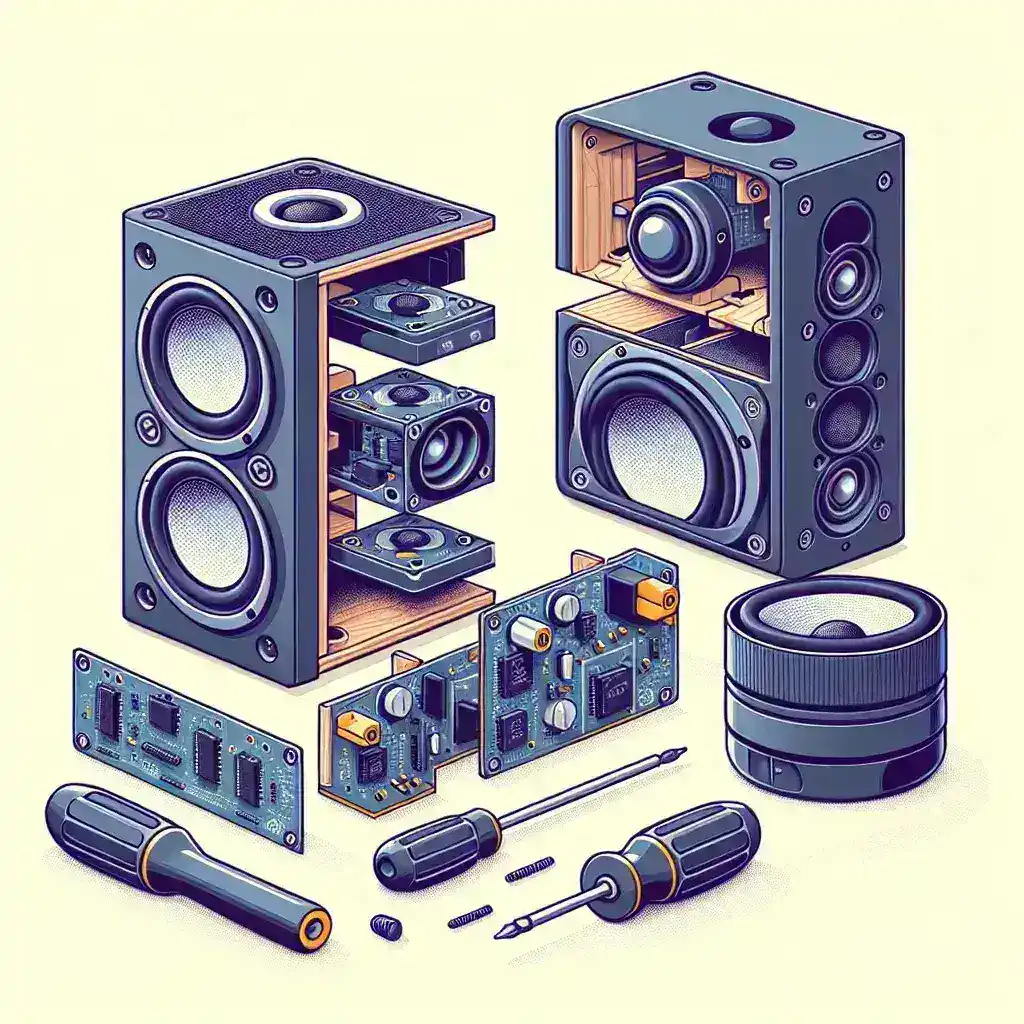
In the world of technology, continuous innovation is imperative to stay ahead. Among the plethora of advancements, one that stands out is the trend towards modular, upgradeable computer speakers. Unlike traditional speakers that come as fixed units, these advanced setups allow users to modify and upgrade components as needed. But what drives this fascinating shift in speaker design?
Understanding Modular and Upgradeable Components
Modular speakers are designed with detachable and replaceable parts, such as drivers, tweeters, and amplifiers. This design strategy enables users to upgrade specific components without replacing the entire system. Similarly, upgradeability means the system is built to integrate new parts or technologies as they become available, enhancing performance or compatibility.
| Traditional Speakers | Modular Speakers |
|---|---|
| Fixed Components | Detachable Components |
| Limited Upgrade Options | High Upgrade Potential |
| Shorter Lifespan | Longevity |
| Costly Replacements | Cost-Effective Upgrades |
Key Reasons for Modular and Upgradeable Designs
1. Cost-Efficiency
One of the primary motivations for modularity is cost efficiency. Instead of purchasing a new speaker system every few years, users can replace or enhance specific components. This is not only easier on the wallet but also on the environment, reducing electronic waste.
2. Superior Customization
Modular speakers give audiophiles an unprecedented level of customization. Whether you prefer deeper bass or crisper highs, you can tailor your sound system to meet your personal audio preferences. This is a significant advantage for users who are particular about sound quality.
3. Advanced Technology Integration
Technology evolves rapidly, making even high-end equipment obsolete in a few years. With upgradeable components, users can ensure their systems remain at the forefront of technological advancements. From integrating the latest wireless standards to adding smart features, modularity offers a future-proof solution.
4. Prolonged Product Longevity
Traditional speaker systems have a fixed lifespan that depends on the durability of their individual components. A single malfunction can render the entire system useless. Modular speakers offer an edge here, as faulty parts can be replaced individually, extending the overall lifespan of the system.
Impact on Consumer Behavior
The shift towards modular and upgradeable designs is increasingly influencing consumer behavior. Buyers are more inclined towards products that offer long-term value, customization, and future-proofing. This change is reflected in the growing market demand for such systems.
Consumer Preferences Table
| Feature | Traditional Preference (%) | Modular Preference (%) |
|---|---|---|
| Cost-Efficiency | 60% | 80% |
| Customization | 55% | 85% |
| Technological Upgrades | 50% | 90% |
| Longevity | 65% | 88% |
Industry Implications
The shift is not only consumer-driven but also substantially influences industry practices. Manufacturers are investing in research and development to produce upgradeable and modular components that can easily integrate into existing systems. This trend is likely to drive competition, leading to better products and innovations.
1. Sustainable Manufacturing
With increasing awareness of environmental issues, modular and upgradeable designs offer a sustainable manufacturing approach. Companies can now market their products as eco-friendly, as these systems reduce the need for frequent replacements, thereby decreasing electronic waste.
2. Enhanced Customer Loyalty
By offering products that can be continually upgraded, companies foster stronger customer loyalty. Users who purchase modular systems are more likely to buy additional components and upgrades from the same manufacturer, ensuring a steady revenue stream.
3. New Business Models
Subscription services for upgrades, warranty extensions, and exclusive access to new technology can provide additional revenue streams for companies. These business models are gaining traction, particularly in the realm of tech products.
Challenges and Considerations
While the advantages are significant, there are challenges to consider. Engineering modular devices often require more resources upfront. There is also the risk of compatibility issues when integrating new components into older systems.
Engineering Complexity
Designing modular components that seamlessly integrate involves a complex engineering process. The initial investment is often higher, and manufacturers need to ensure compatibility standards are met across products.
Compatibility Issues
Upgraded components must be compatible with older systems, which requires rigorous testing and standardization. Manufacturers need to provide clear guidance and support to ensure user satisfaction.
Market Saturation
The growing popularity of modular systems means increased competition. Companies need to continually innovate and offer unique value propositions to stand out in a saturated market.
Conclusion
The future of computer speakers appears to be heading towards modular and upgradeable designs, responding to consumer demand for customizable, cost-effective, and sustainable products. While challenges remain, the benefits for both consumers and manufacturers are substantial, making this an exciting development in the field of audio technology.